
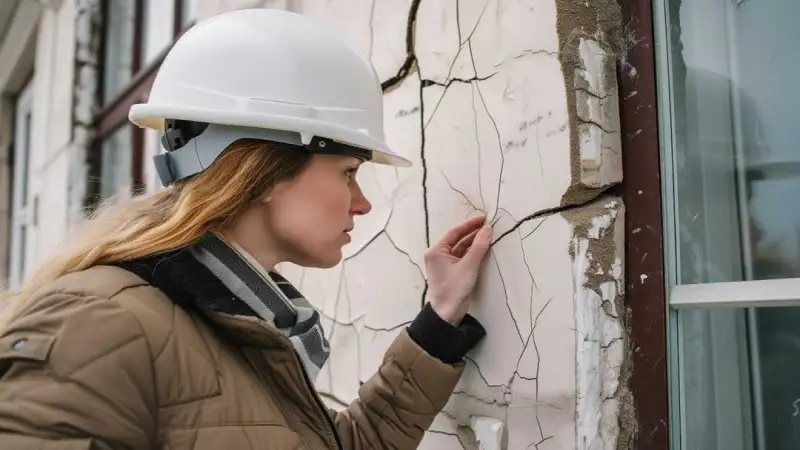
1. Cracks in Walls or Floors
One of the earliest and most noticeable signs of foundation damage is the appearance of cracks in your walls, ceilings, or floors. While small hairline cracks might seem harmless, larger or widening cracks often indicate shifting or settling in your home’s foundation. Horizontal cracks, in particular, can be a warning sign of serious structural stress caused by pressure from surrounding soil or water accumulation. You might also notice uneven floor tiles or gaps forming between walls and ceilings. Regularly inspecting these areas can help you detect potential issues before they escalate. If cracks continue to grow or new ones appear suddenly, it’s essential to contact a foundation repair specialist to assess the problem.
2. Uneven or Sloping Floors
Uneven or sloping floors are another clear indicator of possible foundation trouble. Over time, when a foundation shifts or sinks, it can cause your floors to lose their level alignment. You may notice that furniture leans slightly or that small objects roll across the floor without being touched. This unevenness can occur due to soil movement, poor construction, or long-term water damage beneath the foundation. Wooden floors might start to creak or separate, while concrete floors may develop uneven surfaces or dips. Ignoring these changes can lead to severe structural issues, as the entire weight of your home depends on a stable foundation. Addressing sloping floors early can prevent expensive repairs and maintain your home’s safety and value.
3. Windows and Doors That Won’t Close or Stick
If your windows and doors suddenly start sticking, jamming, or refusing to close properly, your foundation could be shifting. As the foundation moves, it alters the alignment of door and window frames, making them difficult to open or close. This problem might also cause visible gaps between the frames and the walls, or cracks forming above doors and windows. Many homeowners mistake this issue for simple humidity changes, but persistent misalignment usually signals foundation movement. When the underlying support of your home changes, even slightly, it can distort your entire structure. To prevent long-term damage, have a professional inspect your foundation as soon as you notice these warning signs.
4. Exterior Brick or Siding Gaps
Visible gaps or separations in your home’s exterior brickwork or siding often reveal that the foundation is settling unevenly. You might notice that mortar lines are cracking, or bricks seem to be pulling apart at the corners. Vinyl or wood siding may also warp or show uneven spacing where panels meet. These gaps don’t just affect curb appeal—they allow moisture, pests, and air leaks to enter your home, leading to more costly repairs down the line. Foundation settlement often causes these structural shifts, as the building’s weight moves unevenly across unstable soil. Keeping an eye on your exterior walls and addressing early signs of separation can prevent more extensive foundation and structural damage later.
5. Basement or Crawl Space Moisture Issues
Excess moisture in your basement or crawl space is a red flag that your foundation may be compromised. Water intrusion can result from cracks, poor drainage, or soil pressure pushing against the foundation walls. Over time, this moisture weakens the concrete, leading to mold growth, musty odors, and structural deterioration. You might also notice efflorescence—a white, chalky residue left behind when water evaporates from concrete surfaces. Moisture issues can worsen during heavy rain or after snow melts, signaling poor waterproofing or grading around your home. Maintaining a dry foundation area through proper drainage, sealing cracks, and installing sump pumps can help prevent long-term water-related damage and protect your home’s integrity.
6. Conclusion
Foundation damage often develops slowly but can lead to serious structural issues if ignored. Recognizing early warning signs—like cracks, uneven floors, sticking doors, exterior gaps, and moisture problems—allows homeowners to act before the problem escalates. Regular inspections and quick professional intervention can save thousands in future repairs while keeping your home safe and stable. A healthy foundation ensures the strength, safety, and longevity of your entire house. If you suspect any of these signs in your home, consult a qualified foundation repair expert to evaluate the situation and recommend the best solution. Taking action early can make all the difference in preserving your property’s value and security.