
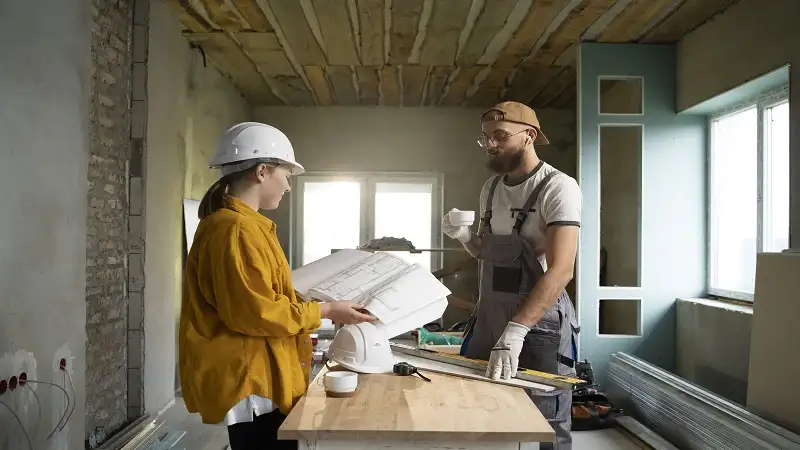
Home renovation can be one of the most exciting yet stressful experiences for homeowners. Whether you’re remodeling your kitchen, upgrading a bathroom, or transforming an entire property, the process can easily become overwhelming. Many projects go over budget, take longer than expected, or fail to meet expectations — often due to avoidable mistakes.
In this article, we’ll explore the most common home renovation pitfalls and share smart, practical strategies to help you avoid them.
1. Failing to Plan Properly
The Pitfall:
One of the biggest mistakes homeowners make is jumping into a renovation without a detailed plan. Rushing to start the project often leads to design inconsistencies, unexpected costs, and last-minute compromises.
Smart Way to Avoid It:
-
Create a comprehensive plan that includes timelines, materials, labor costs, and design elements.
-
Consult professionals early — architects, interior designers, and contractors can help identify potential challenges before work begins.
-
Use design tools or 3D software to visualize the final outcome before making any purchases.
2. Underestimating the Budget
The Pitfall:
Many homeowners only budget for visible costs like tiles, fixtures, and paint — ignoring hidden expenses such as permits, delivery fees, and labor variations. This often results in running out of funds mid-project.
Smart Way to Avoid It:
-
Add a contingency fund of at least 10–20% of your total budget for unexpected expenses.
-
Request itemized quotes from multiple contractors to compare pricing transparency.
-
Track every expense using a spreadsheet or renovation budgeting app to stay on top of costs.
3. Ignoring Building Permits and Regulations
The Pitfall:
Skipping permits to save time or money can lead to serious consequences, including fines or having to undo completed work that doesn’t comply with local regulations.
Smart Way to Avoid It:
-
Research local building codes before beginning your project.
-
Obtain necessary permits for electrical, plumbing, or structural changes.
-
Hire licensed professionals familiar with compliance requirements in your area.
4. Choosing the Wrong Contractor
The Pitfall:
Selecting a contractor based solely on the lowest bid often leads to poor workmanship, delays, or unfinished projects.
Smart Way to Avoid It:
-
Check credentials, licenses, and insurance.
-
Ask for references and visit previous projects if possible.
-
Get everything in writing, including scope of work, payment schedule, and deadlines.
-
Trust your instincts — clear communication and professionalism are key.
5. Neglecting Structural Issues
The Pitfall:
Cosmetic upgrades are tempting, but ignoring foundational or structural problems (like leaks, wiring issues, or cracks) can cause major problems later.
Smart Way to Avoid It:
-
Inspect your home thoroughly before starting renovations.
-
Prioritize repairs to plumbing, electrical, or foundation before cosmetic work.
-
Schedule regular inspections during the renovation to ensure safety and quality.
6. Overpersonalizing the Design
The Pitfall:
While your home should reflect your style, overly unique or trendy designs may reduce your property’s resale value or age poorly.
Smart Way to Avoid It:
-
Balance personal taste with timeless appeal.
-
Opt for neutral colors and flexible layouts that can adapt to future trends.
-
Use décor and accessories to express personality instead of making permanent design choices that may be hard to change later.
7. Poor Time Management
The Pitfall:
Renovations often take longer than expected due to unrealistic timelines, material delays, or scheduling conflicts.
Smart Way to Avoid It:
-
Set realistic deadlines with your contractor.
-
Order materials early to prevent supply delays.
-
Build in buffer time for inspections, approvals, and unforeseen delays.
8. Forgetting About Energy Efficiency
The Pitfall:
Homeowners sometimes focus only on aesthetics, missing opportunities to improve energy efficiency — which could lead to higher utility bills later.
Smart Way to Avoid It:
-
Invest in insulation, efficient lighting, and modern HVAC systems.
-
Choose energy-efficient windows and appliances.
-
Consider long-term savings when making upgrade decisions, not just upfront costs.
9. Not Thinking About Future Needs
The Pitfall:
A renovation that fits your current lifestyle might not serve your needs in a few years — especially if your family grows or your mobility changes.
Smart Way to Avoid It:
-
Design with flexibility in mind.
-
Add accessible features like wider doorways or step-free showers.
-
Plan for multi-functional spaces that can adapt over time.
10. Poor Communication with Contractors
The Pitfall:
Misunderstandings between homeowners and contractors are a common source of frustration, rework, and extra costs.
Smart Way to Avoid It:
-
Hold regular check-ins to review progress and address concerns early.
-
Keep all agreements and updates in writing.
-
Be clear about expectations regarding quality, materials, and timing.
Conclusion
A successful home renovation requires more than a vision — it demands planning, budgeting, communication, and patience. By understanding the common pitfalls and applying these smart strategies, you can minimize stress, avoid costly mistakes, and create a home that’s both beautiful and functional for years to come.
Remember: thoughtful preparation today will save you time, money, and headaches tomorrow.